When an animal becomes unwell, buying a familiar medicine may seem like the fastest response. However, similar symptoms can have different causes, and treatment should follow an appropriate veterinary assessment.
Get clear treatment instructions
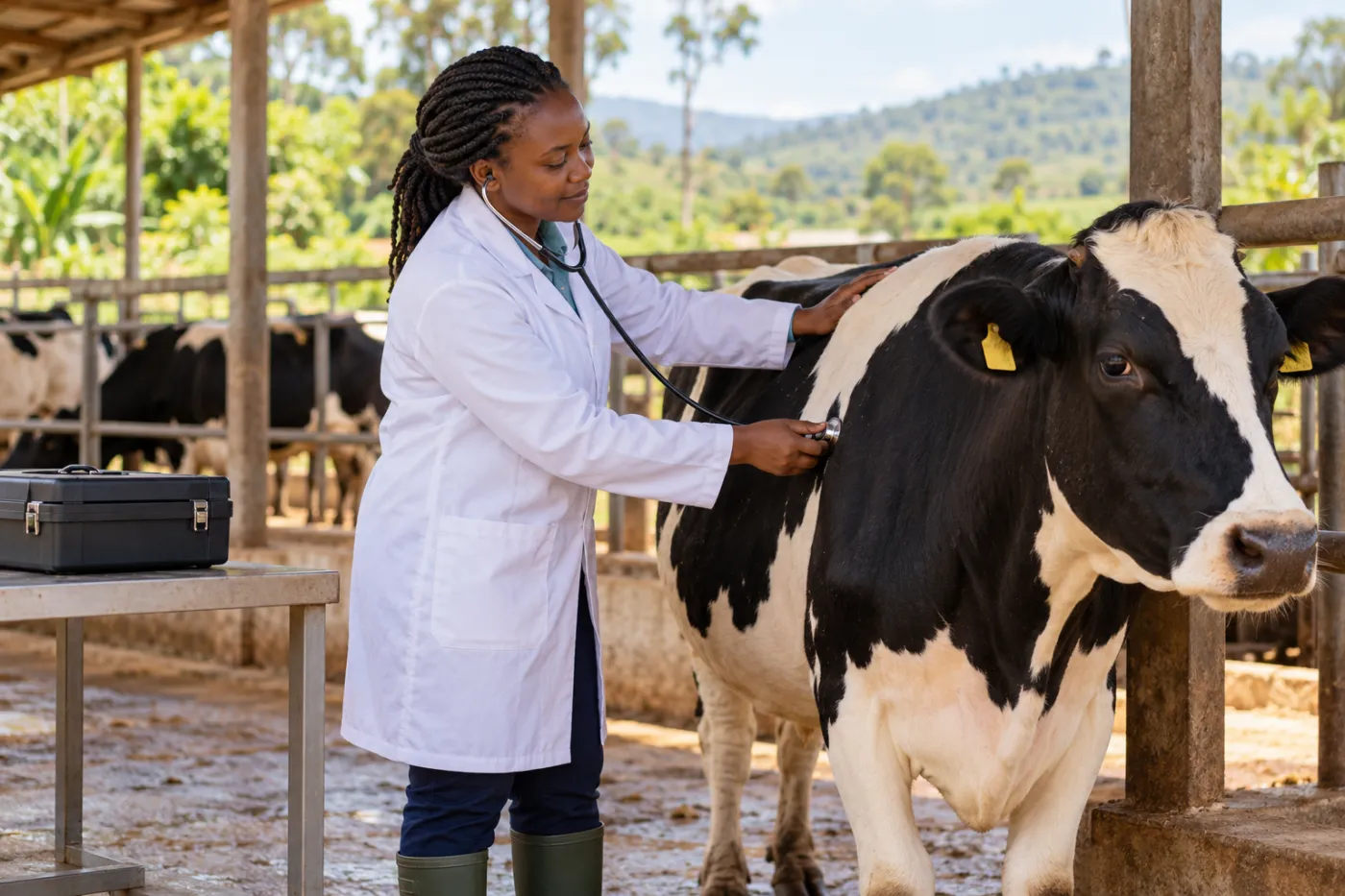
Contact a qualified veterinary professional. Explain the symptoms, when they began, previous treatments and whether other animals are affected. Obtain any required prescription and follow the prescribed product, dose, route and duration. Do not share leftover antibiotics between animals.
Record every treatment
Keep the animal identification, medicine name, batch details, treatment dates and veterinary instructions. Mark treated animals clearly so everyone handling them knows their status.
Follow withdrawal instructions
Where applicable, observe the withdrawal period before milk, meat or eggs enter the food chain. The period depends on the product and its authorised use; it should not be guessed or copied from another medicine.
If recovery is poor or the condition worsens, seek veterinary review instead of changing treatment independently. Responsible medicine use supports animal welfare, food safety and efforts to limit antimicrobial resistance.
Further reading: WOAH guidance on responsible antimicrobial use.